Pingyilu Industrial Park, Nanguzhuangying Village, Ansu Town, Xushui District, Baoding City

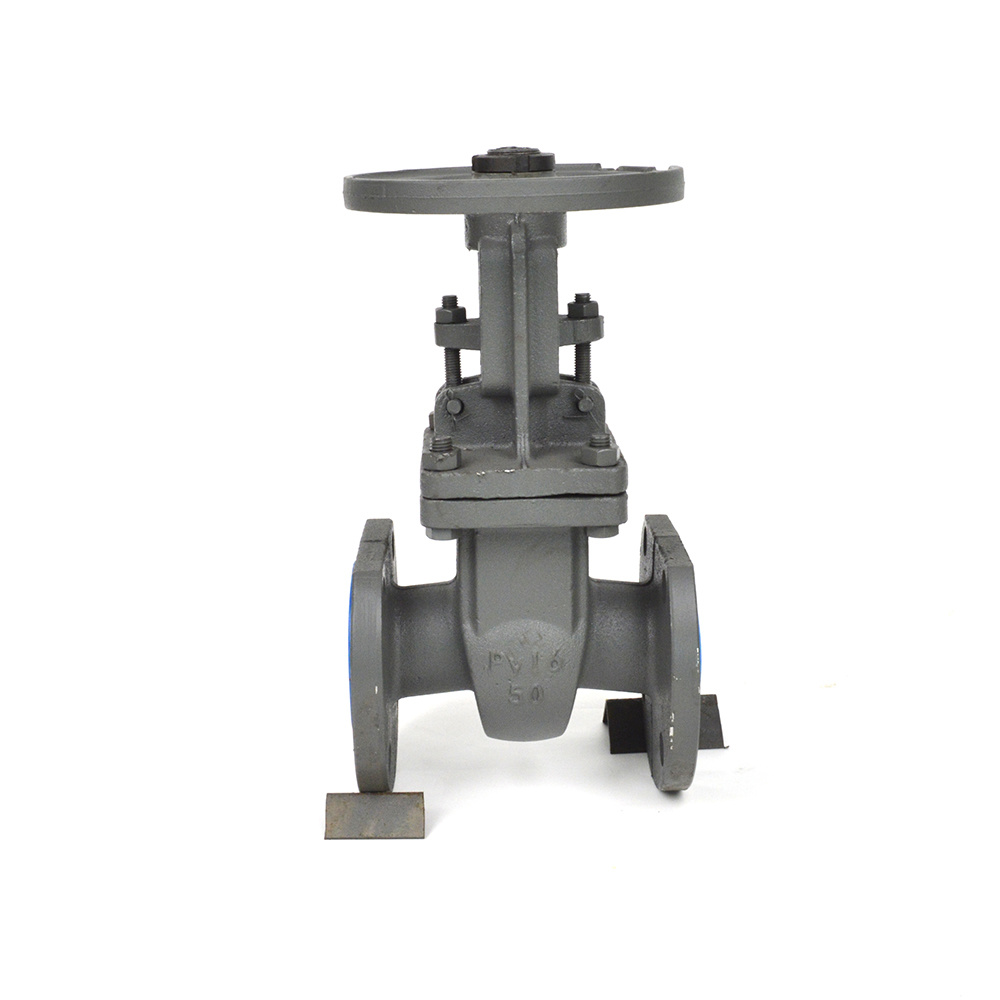
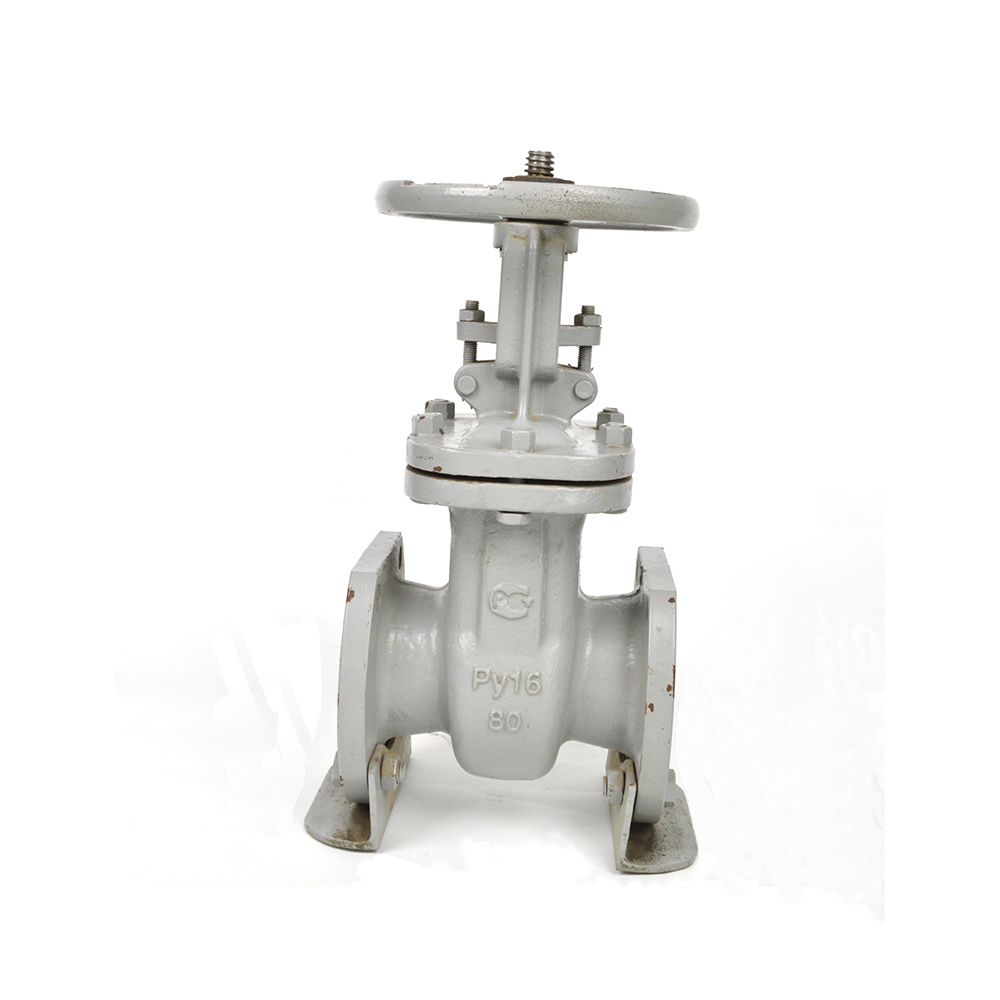
Unlocking the Secrets of the Russian Standard Cast Steel Gate Valve
2025-03-27
Introduction to Gate Valves
When it comes to controlling the flow of liquids and gases in various industrial applications, valves play a pivotal role. Among these, the Russian standard cast steel gate valve stands out for its reliability and efficiency. But what exactly makes it tick? Let’s dive into the inner workings of this essential piece of equipment.
What is a Gate Valve?
A gate valve, simply put, is a type of valve that opens and closes by lifting a barrier (the gate) out of the path of the fluid. Think of it as a drawbridge; when it’s up, traffic flows smoothly, but when it’s down, everything comes to a halt.
Why Cast Steel?
Now, you might wonder why cast steel is the material of choice for many manufacturers. Well, cast steel gates are not only robust but are also resistant to high temperatures and pressures. This quality makes the Russian standard cast steel gate valve particularly useful in oil, gas, and water industries where conditions can be harsh.
The Anatomy of a Gate Valve
To truly understand the functionality, let’s break down the components of this valve:
- Body: The main part that houses all other components and withstands pressure.
- Gate: The actual barrier that controls the flow.
- Stem: The rod that connects the handwheel to the gate.
- Bonnet: This covers the top of the valve and provides access for maintenance.
How Does It Work?
Let’s get down to brass tacks! The operation of the Russian standard cast steel gate valve is fairly straightforward. When you turn the handwheel, the stem moves the gate up or down. If the gate rises, fluid flows through; if it lowers, flow stops. It’s that simple!
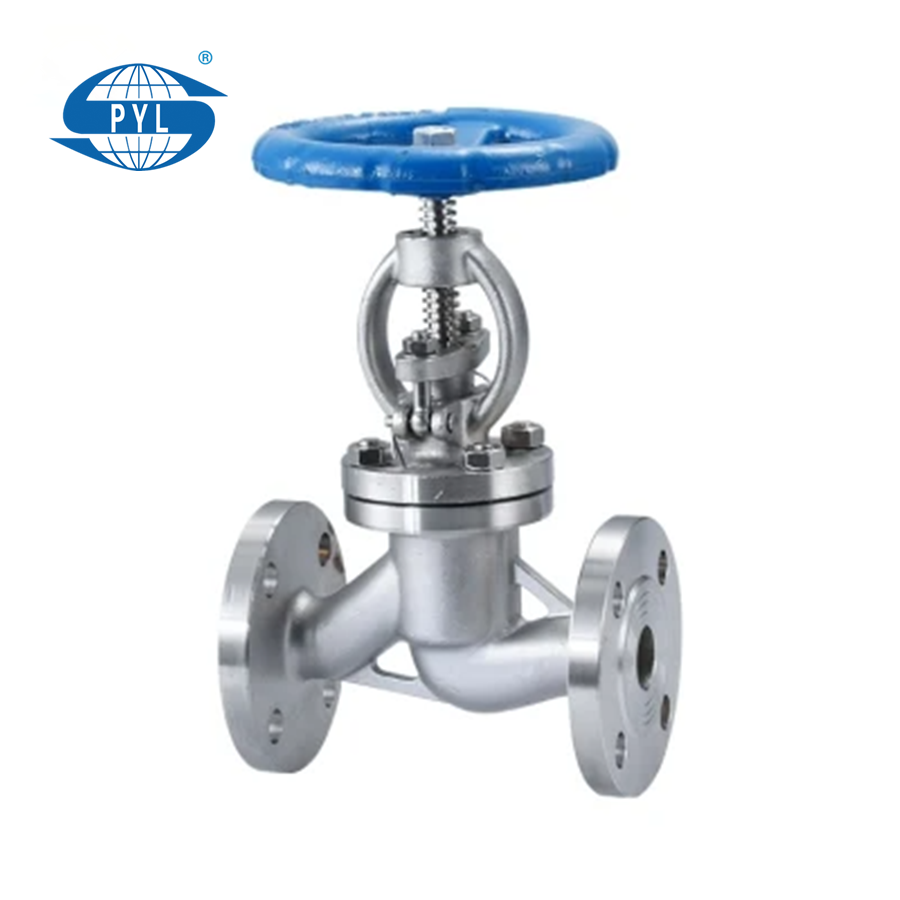
However, there’s a catch. Gate valves are not meant for throttling service—using them to regulate flow can cause damage. They are best for fully open or fully closed positions. So, if you’re looking to control flow rates, you might want to consider other valve types like globe valves.
Applications of the Gate Valve
These valves are widely used across various sectors, including:
- Water Supply Systems
- Oil and Gas Pipelines
- Power Plants
- Chemical Processing
In these settings, the Russian standard cast steel gate valve ensures fluid handling with minimal resistance and maximum durability.
Maintenance Tips
Alright, here’s the deal: like any mechanical device, these valves require regular maintenance to function optimally. A few tips to keep your gate valve in tip-top shape include:
- Regularly check for leaks.
- Inspect the sealing surfaces for wear.
- Ensure the operating mechanism is free from obstruction.
Don’t wait until it’s too late! A little proactive care can save you a ton of trouble down the line.
Common Issues
Even the best of us face hiccups now and then! Here are some common issues that might crop up with the Russian standard cast steel gate valve:
- Sealing Failure: Often due to corrosion or wear.
- Stuck Gate: Can occur if not operated regularly.
- Pressure Loss: Usually a sign of leakage.
Recognizing these problems early can save you a headache!
Final Thoughts
In conclusion, the Russian standard cast steel gate valve is a marvel of engineering that continues to play an essential role in various industries. Its simple yet effective design allows for efficient flow control in demanding environments. By understanding its workings and maintaining it properly, you can ensure that this stalwart piece of equipment serves you well for years to come. So, next time you turn that handwheel, you’ll know just how much goes into making that flow happen!
Key words:
Hot News

More applications





Our corporation is the provincial-level enterprise,which owns the power to engage in import and export trade.


Contact Us
Telephone:+86-312-8587089
E-mail:pingyilu11@pylfm.com
Mobile/WeChat:+86-13933976795
Address: Pingyilu Industrial Park, Nanguzhuangying Village, Ansu Town, Xushui District, Baoding City

Add friends
Add friends