Pingyilu Industrial Park, Nanguzhuangying Village, Ansu Town, Xushui District, Baoding City

Unraveling the Mysteries of the Stainless Steel Globe Valve in Industrial Solutions
2025-04-16
Introduction to the Stainless Steel Globe Valve
Ever found yourself in a pickle trying to understand industrial valves? You’re not alone! Among the myriad of options, the stainless steel globe valve stands out as a reliable choice for controlling fluid flow in various systems. But what makes it so special? Let’s dive into its world!
Why Choose Stainless Steel?
Stainless steel is renowned for its corrosion resistance and durability. This makes it an ideal material for globe valves, especially in environments that are harsh or corrosive. Imagine a valve that can withstand the test of time while ensuring optimal performance—sounds like a dream, right?
How Does a Globe Valve Work?
In simple terms, a stainless steel globe valve regulates flow through its internal mechanism. When you turn the handle, it lifts the disc out of the way, allowing fluid to pass through. The design might seem straightforward, but the engineering behind it is quite sophisticated. It’s like the gears of a well-oiled machine, working in harmony to control flow efficiently.
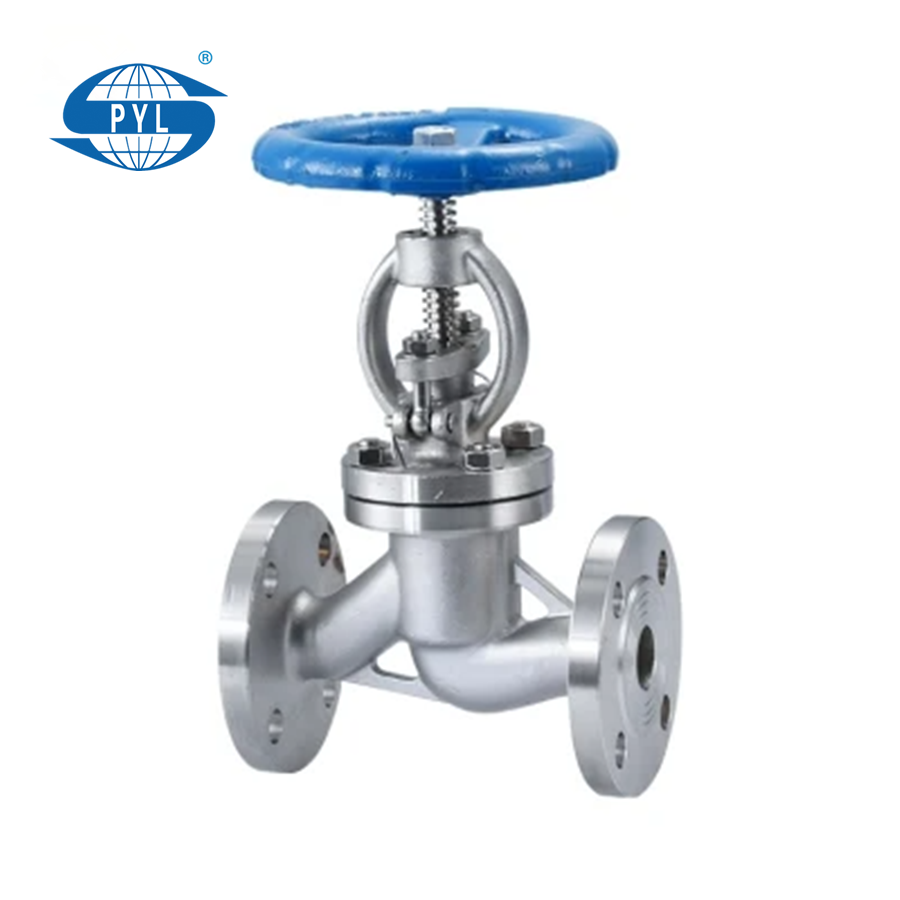
The Anatomy of a Globe Valve
Let’s break it down further. A typical globe valve consists of:
- Body: The main part that houses the internal components.
- Disc: The movable part that opens and closes the flow.
- Seat: The surface where the disc seals against to prevent leakage.
- Stem: The component that connects the disc to the actuator or handle.
Applications Galore!
The versatility of the stainless steel globe valve is nothing short of impressive. From water treatment plants to chemical processing and even oil and gas industries, these valves are everywhere. They shine in applications where precise flow control is crucial—think about it like managing traffic on a busy road, ensuring everything flows smoothly!
Benefits of Using Stainless Steel Globe Valves
- Longevity: Thanks to their robust construction, these valves can last for years.
- Maintenance: They require minimal upkeep—just a little TLC goes a long way!
- Efficiency: Their design allows for tight shut-off, preventing leaks and wastage.
- Temperature Tolerance: They can handle extreme temperatures, making them suitable for a variety of applications.
Who wouldn’t want a sturdy, reliable valve that checks all these boxes?
Installation Insights
Alright, let’s talk installation. A stainless steel globe valve isn’t just plopped into a system willy-nilly. Proper installation is key to its performance. Make sure to:
- Inspect the valve for any damage before installation.
- Ensure the flow direction matches the valve’s design.
- Use the appropriate tools and techniques to avoid stripping threads or damaging parts.
Future Trends in Valve Technology
As industries evolve, so do the technologies that support them. The future of stainless steel globe valves looks bright, with advancements such as:
- Smart Valves: Incorporating IoT for remote monitoring and control.
- Eco-Friendly Materials: Innovations in sustainable materials for valve manufacturing.
- Improved Designs: Enhancements that further reduce energy consumption and increase efficiency.
Conclusion
So there you have it—a whirlwind tour of the stainless steel globe valve and its significance in various industries. These valves are not just mere components; they are crucial players in ensuring that systems run smoothly and efficiently. Next time you encounter one, you’ll know just how vital it is to the operation at hand. Keep exploring and happy plumbing!
Key words:
Hot News

More applications




Our corporation is the provincial-level enterprise,which owns the power to engage in import and export trade.


Contact Us
Telephone:+86-312-8587089
E-mail:pingyilu11@pylfm.com
Mobile/WeChat:+86-13933976795
Address: Pingyilu Industrial Park, Nanguzhuangying Village, Ansu Town, Xushui District, Baoding City

Add friends
Add friends